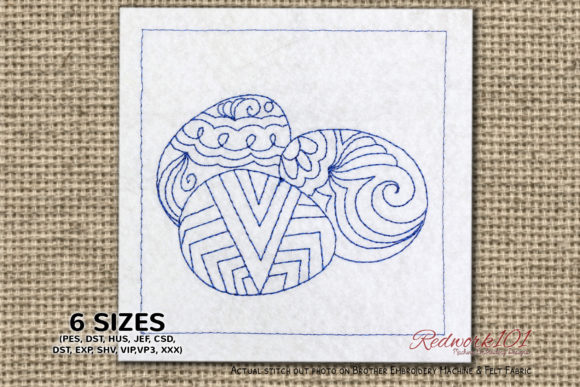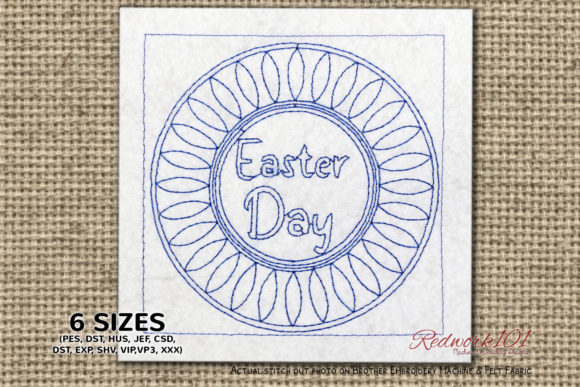
Easter Day Mandala Bluework: A Craft Fair Review
First Impression: Sophisticated Spring Elegance
When I opened the file for Easter Day Mandala Bluework, I immediately saw a design that refuses to shout. It whispers. The bluework palette steps away from predictable pastel pinks and yellows, landing on something far more versatile. This is a mandala that feels intentional, calm, and surprisingly fresh for a handmade market table. If you sell at craft fairs where customers crave farmhouse, modern rustic, or slightly European-inspired home décor, this embroidery file deserves a long look.
The mandala structure gives the design instant perceived value. Symmetry reads as premium. The blue thread choice, especially on natural linen or off-white cotton, evokes antique delftware and heirloom stitching. I can already picture it framed in a wooden hoop as a standalone art piece or scaled subtly onto a market bag. It is not an overtly themed Easter bunny or chick, and that restraint is precisely what makes Easter Day Mandala Bluework a smarter investment. It sells to a broader audience and does not expire the moment Easter Sunday passes.
Where This Design Sells Best at a Craft Fair
Booth layout matters. I test every machine embroidery design against a simple rule: can it anchor a product that makes someone pause mid-step? Easter Day Mandala Bluework passes that test on several surfaces. The key is choosing the right canvas. The design is versatile but not infinite. It thrives where fine detail can breathe and where blue thread contrasts cleanly.
Tote Bags and Market Bags
A large placement on a natural cotton tote bag transforms a basic carryall into a boutique statement. I recommend a diagonal bottom-corner placement or a centered back panel. The bluework mandala feels organic and elevated. At my last fair, botanical and mandala-style totes outsold loud graphic prints two to one. Use a sturdy cutaway stabilizer; the stitch density in the mandala center can be significant, and flimsy bags will pucker.
Tea Towels and Kitchen Linens
This is where Easter Day Mandala Bluework practically sells itself. A flour-sack towel with a single well-placed mandala in soft blue reads as high-end farmhouse. Customers pick them up, rub the stitches, and hold them up to the light. The design invites touch. Stick to smooth, flat-weave towels. Heavy terry or waffle weave will distort fine mandala details and frustrate your needle.
Aprons and Hostess Gifts
A cross-back apron with a small-medium mandala at the bib or pocket corner becomes an instant spring gift. Because the blue thread feels clean rather than cutesy, it appeals to adults hosting brunch, not just children hunting eggs. Bundle the apron with a matching tea towel for a higher-price booth bundle. The set feels curated and intentional.
Pillow Covers and Home Décor
A 16-inch or 18-inch envelope pillow cover in pale oatmeal linen with Easter Day Mandala Bluework centered boldly is a showstopper. These are the items customers photograph and text to friends. The mandala’s circular nature works perfectly for square pillow forms. Test your hoop boundaries; you may need a multi-position hoop or larger machine bed for the full impact, but the result justifies the effort.
Embroidered Patches and Small Accents
Patches require caution. This mandala is detailed. Reduce it too much and the center motifs close up. I would not recommend shrinking below a 3-inch diameter for a patch unless you test carefully and accept some detail loss. The optional box stitch mentioned in the product description can actually help here, serving as a clean outer border for a patch shape. If you skip the box color, the mandala floats more organically, which I personally prefer for garment applications.
Caps and Curved Surfaces
Back or side placement on a dad cap can work, but mandalas hate extreme curves. A small version on a flat-front cap panel or a bucket hat brim reads modern and street-smart. Test on a curved cap frame before committing to production. Dense mandala centers can stiffen the fabric, so select a softer cap crown and consider reducing stitch density slightly if your software allows.
Fabric Pouches and Small Gift Items
Zipper pouches, project bags, and small toiletry cases are my secret weapon at craft fairs. A compact version of Easter Day Mandala Bluework on a canvas pouch adds luxury. Pair with a bright blue zipper pull to tie the thread color together. These are low-cost to produce and snap up as impulse buys beside the register.
The Crucial Box Stitch Choice
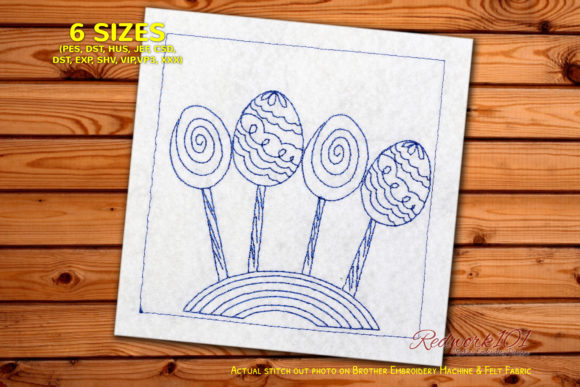
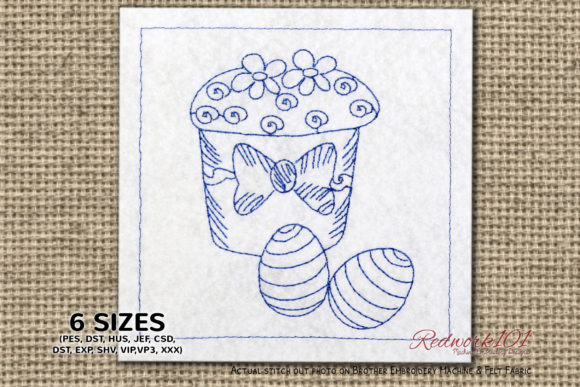
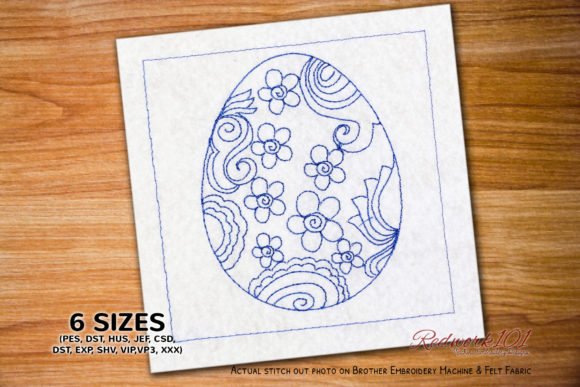
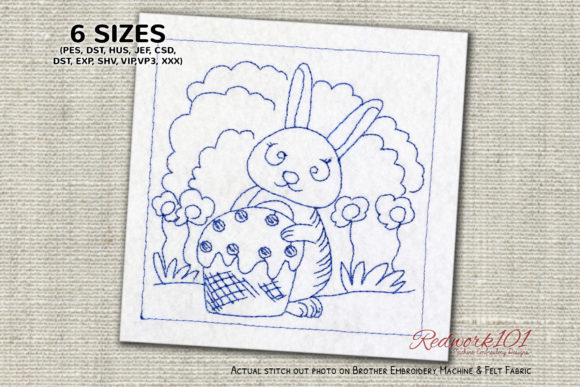
The product description states clearly: “The Box Stitch shown in the picture is optional. The color of the outer box is a different color in most of the designs unless it is part of the design itself, you can skip the color.” This flexibility is a gift to anyone selling handmade products. An outer box frames the mandala neatly and works beautifully on structured items like patches, coasters, or framed hoops. But for soft goods, towels, and apparel, I prefer skipping the box stitch entirely. A floating mandala integrates more naturally into fabric, feeling less like an appliqué and more like a print. I recommend creating two sample mockups, one with the box in a complementary neutral, and one without, then letting customer feedback guide your production run.
Stitch Density and Detail Survival
Mandala designs demand respect for density. Easter Day Mandala Bluework will have intricate center rings and repeating petal elements. That tight stitching requires the right stabilizer. A medium-weight cutaway stabilizer is non-negotiable for wearables and towels. Do not use tear-away on loose-weave fabrics; the long-term result will sag and distort. I also recommend a water-soluble topper on textured or napped fabrics, even lightweight canvas, to prevent tiny stitches from sinking in and vanishing.
Small lettering is not an issue here, but the fine spoked lines common in mandalas can lose clarity on dark or textured fabric. Blue thread on charcoal fabric might moodily disappear; on bright white, it pops crisply. My favorite pairing is a natural unbleached cotton or a very pale stone gray. The thread contrast stays visible but soft, which matches the handcrafted calm customers want at a spring fair.
Photographing Bluework for Etsy and Online Listings
This design photographs gracefully. Even a smartphone captures the definition between blue stitches and a pale background. Use indirect natural light. The mandala’s symmetry draws the eye in, which increases engagement time on Etsy and social media. Flat lay shots on a wooden table with a sprig of dried lavender or a single speckled egg prop the Easter mood without overwhelming the design. On a booth wall, hang a finished pillow cover or framed hoop high and let the mandala act as your visual anchor.
Booth Display and Customer Attention
Craft fair buyers scan tables in seconds. Easter Day Mandala Bluework rewards careful grouping. Stitch three or four coordinating items in the same blue thread on varying backgrounds: a tea towel, a tote, a pouch, and a small framed hoop display sample. The repetition of the mandala across products creates a strong brand moment. Customers will perceive you as a cohesive maker, not someone stitching random designs. That trust translates directly to sales.
The blue thread color also gets commented on. It feels fresh. Among tables overloaded with yellow chicks and pink bunnies, a cool blue mandala stops the scroll and the foot traffic. It appeals to the minimal-spender, the modern decorator, and anyone who loves a subtle nod to spring that lasts past May.
Production Efficiency and Batch Potential
Once hooping is mastered, Easter Day Mandala Bluework is a strong candidate for batch production. The design runs without multiple color changes, assuming you stick to the bluework palette. Single-color or limited-color embroidery saves time considerably. I can run a small production line of tea towels in an afternoon. The repeatable nature of mandalas also means if one stitches out slightly off-center, it is far less noticeable than a misaligned text design. That forgiving quality matters in a busy production week before a fair.
Brand Consistency and Perceived Value
A mandala carries an inherent sense of craft. Customers associate it with patience and skill. Even those who do not sew understand that all those little stitches equal time. That perception lets you price finished goods higher. I cannot give an exact margin, but a handmade tea towel with Easter Day Mandala Bluework easily commands a premium over a plain one at a curated market. The design elevates the product from functional to decorative, and that is where profit margins breathe.
Designer’s Practical Checklist Before Selling
Every design I test goes through the same pre-booth review. Here is what I strongly suggest for Easter Day Mandala Bluework:
- Test stitch on your actual production fabric, not just scrap muslin. Fabric texture changes everything.
- Compare thread colors. Blue is not just blue. A dusty denim blue reads differently than a bright royal. Choose a shade that matches your brand palette.
- Check hoop size compatibility. Mandala designs often require larger hoops. Confirm the exact dimensions from your embroidery file source before you plan product placement.
- Inspect stitch density. Run a sample and feel the back. If it is too stiff for apparel, discuss density adjustments with your digitizer or adjust in your software.
- Review spacing between mandala lines. On textured towels, those gaps can close. A water-soluble topper solves this.
- Make one real finished mockup for your booth. A pillow cover or tote that customers can handle. It will sell the design faster than any photo.
- Confirm commercial licensing. The product description does not specify terms. Always verify you are legally clear to sell finished goods made from this digital embroidery file before you tag items for your Etsy shop or craft fair stall.
When to Skip the Design
No single machine embroidery design fits every product. I would avoid Easter Day Mandala Bluework on highly textured towels with looped terry, extremely dark fabrics where blue vanishes, and anything with a prominent center seam that breaks the mandala’s symmetry. Caps with strong center seams are risky. Also, if your hoop can only handle a very small version, the delicate mandala details may blur together, which cheapens the handmade look. In those cases, choose a bolder, simpler motif.
Final Product Judgment
Easter Day Mandala Bluework is a design that works harder than its name suggests. It moves elegantly between holiday and everyday, farmhouse and modern, decorative and usable. For a craft fair product lineup, it fills the slot of the item people pick up, stare at, and quietly decide they need. That is the reaction every seller wants. The optional box stitch gives creative control, and the blue palette simplifies production while broadening appeal. Test it thoroughly, pair it with natural fabrics, and let it become the quiet centerpiece of your spring booth collection.